
Search Knowledge Base by Keyword
Best Crypto Hardware Wallets 2026
The idea behind a hardware wallet is simple: keep your private keys on a device that never touches the internet, and no remote hacker can reach them. For years that promise held. Then, on July 30, 2026, it broke in the most public way imaginable.
A five-year-old firmware bug in Coldcard hardware wallets let attackers reconstruct private keys and drain roughly 1,367 BTC — close to $89 million — from thousands of addresses, with some blockchain firms tracking total losses above $130 million as copycat attackers piled in. The wallets were never physically touched. No malware, no phishing, no stolen seed phrase. The keys themselves were mathematically predictable.
This guide breaks down what actually happened, why it matters for anyone holding crypto in cold storage, and — most importantly — which hardware wallets earn your trust in 2026. Security comes first here. Every recommendation is judged on how it generates keys, whether its code can be independently audited, and how it defends against both remote and physical attacks.
⚡ Quick Answer — Best Hardware Wallets in 2026
Best overall (security first): Trezor Safe 7 — fully open-source firmware plus the first auditable secure element.
Best value: Trezor Safe 5 — same core security as the Safe 7 at $129.
Best air-gapped: Keystone 3 Pro — QR-only signing, three secure elements, $149.
Best Swiss-made, fully reproducible: BitBox02 Nova — dual-chip, open-source, $149.
Best for beginners: Ledger Nano X — 5,500+ assets, Bluetooth, easy mobile app.
What Happened in the Coldcard Hack?
On July 30, 2026, an attacker swept roughly 1,196 Bitcoin addresses in about 41 minutes, taking around 1,082 BTC — worth over $70 million at the time. Galaxy Research mapped the on-chain activity and traced it to a firmware flaw in Coldcard, the Bitcoin-only hardware wallet made by Canadian company Coinkite. Over the following days, security firms identified further waves and copycats, pushing confirmed losses to about 1,367 BTC (~$89 million), with some estimates topping $130 million.
The root cause was almost absurdly small. According to Block’s Bitcoin engineering team, a single code change on March 1, 2021 caused the firmware to silently fall back to a software-based pseudorandom number generator instead of the device’s dedicated hardware random number generator. On affected Mk3 devices, the effective entropy collapsed from a computationally unbreakable 128 bits to roughly 40 bits — small enough for an attacker to brute-force.
In plain terms: the “random” seed phrases these wallets generated were never truly random. Anyone who understood the bug could regenerate the keys and move the funds directly on the Bitcoin blockchain — no physical access required.
🔑 Key Takeaway
Installing the fixed firmware does not repair a seed that was already created on the vulnerable version. As CZ noted, in self-custody, developers can patch the code but cannot fix keys that were already generated. Affected users must migrate funds to a brand-new wallet with a freshly generated seed.
Security researchers were quick to stress an important point: this is not evidence that Bitcoin is broken, nor that self-custody is riskier than leaving coins on an exchange. It is a different category of risk — firmware and key-generation integrity rather than counterparty or exchange-solvency risk. According to Blockaid, most crypto losses in the first half of 2026 came from compromised keys and operational-security failures, not smart-contract exploits. The Coldcard case fits that pattern exactly: the exposure originated at the key-generation stage, in code that users rely on but never see.
Does the Coldcard Hack Mean Hardware Wallets Are Unsafe?
No. A well-built hardware wallet is still the single most effective tool for protecting crypto, and the alternatives are worse. Leaving assets on an exchange exposes you to hacks, insolvency, and frozen withdrawals. Keeping keys on an internet-connected “hot” wallet exposes you to malware and phishing every day.
What the Coldcard incident really exposes is that not all hardware wallets are equal, and that the security story goes deeper than “is it offline?” The three questions that actually matter:
- How are keys generated? Good entropy is everything. If the randomness is weak, nothing else matters — that was the exact failure here.
- Can the code be independently verified? Fully open-source, reproducibly built firmware means researchers can catch a bug like this before it costs $89 million.
- Does it have a certified secure element? A dedicated tamper-resistant chip defends against physical extraction if the device is lost or stolen.
The wallets below are ranked on exactly these criteria. A useful comparison point: Coldcard’s firmware was open source, yet the bug still shipped and lived for five years. Open source is necessary but not sufficient — reproducible builds and active independent auditing are what turn transparency into real protection.
Best Hardware Wallets in 2026 Compared
Here is a fast, at-a-glance comparison of the top devices on the market right now, followed by a detailed breakdown of each.
| Wallet | Price | Secure Element | Open Source | Air-Gapped | Best For |
|---|---|---|---|---|---|
| Trezor Safe 7 | $249 | Dual (TROPIC01 + EAL6+) | Full (incl. SE) | No | Max security |
| Trezor Safe 5 | $129 | EAL6+ (Optiga) | Full firmware | No | Best value |
| Keystone 3 Pro | $149 | Three chips | Mostly | Yes (QR) | Air-gap fans |
| BitBox02 Nova | $149 | EAL6+ (dual-chip) | Full + reproducible | No | Swiss transparency |
| Ledger Nano X | ~$149 | EAL5+ (certified) | Partial (SE closed) | No | Beginners / multi-coin |
1. Trezor Safe 7 — Best Overall for Security
Launched in late 2025 at $249, the Trezor Safe 7 is the most security-forward consumer wallet on the market — and it directly answers the trust problem the Coldcard hack exposed. Its headline feature is the TROPIC01 chip, described by Trezor as the world’s first transparent, auditable secure element. Where nearly every rival relies on a closed, NDA-bound secure chip, TROPIC01 publishes its hardware and firmware for public inspection. For the first time, the most security-critical component of a wallet is not a black box.
The Safe 7 pairs TROPIC01 with a second EAL6+ certified secure element in a 2-of-2 design, giving strong resistance to physical extraction and side-channel attacks. It also adds a quantum-ready bootloader — using the post-quantum SLH-DSA-128 signature scheme to verify firmware — plus a 2.5-inch color touchscreen, Bluetooth with a physical hardware kill switch, and Qi2 wireless charging.
Best for: serious holders who want the highest open-source security architecture available and plan to hold long-term. Trezor is careful to note the quantum-ready label protects the device’s own integrity — it does not make Bitcoin itself quantum-safe, which requires protocol-level changes.
2. Trezor Safe 5 — Best Value
If the Safe 7’s premium features are more than you need, the Trezor Safe 5 at $129 delivers the same core firmware security for $120 less. It carries an EAL6+ Optiga secure element while keeping firmware fully open source — the combination that, for years, was described as the best of both worlds. A color touchscreen and haptic feedback make it one of the friendliest devices to use daily.
Trezor Suite supports thousands of coins across all major Layer 1 chains, and 2026 updates added Avalanche C-Chain support and a Cardano staking dashboard. You give up TROPIC01, dual secure elements, Bluetooth, and quantum-ready firmware — none of which most holders strictly need today.
Best for: the majority of users who want proven, auditable open-source security without paying for premium extras.
3. Keystone 3 Pro — Best Air-Gapped Wallet
The Keystone 3 Pro ($149) takes offline security to its logical conclusion: it is fully air-gapped. USB is charging-only, and every transaction is signed by scanning QR codes. That eliminates an entire class of USB- and Bluetooth-based attack vectors, because the device never establishes a data connection with your phone or computer.
It ships with three secure element chips, a fingerprint sensor, a large 4-inch touchscreen, and a self-destruct mechanism that wipes the device after repeated failed unlock attempts. Firmware is mostly open source and has been audited.
The honest caveats: its builds are not fully reproducible, it runs an Android-based OS, and its China-founded origins raise supply-chain questions some buyers weigh carefully. Great hardware with trade-offs you should judge for yourself.
Best for: users who want a true air-gap and a large, readable screen, and are comfortable with the device’s origins.
4. BitBox02 Nova — Best Swiss-Made, Fully Reproducible
The BitBox02 Nova ($149), made in Switzerland by Shift Crypto, is one of the easiest wallets to trust on paper. It is fully open source and reproducibly built — meaning anyone can compile the published source code and confirm it matches the firmware on the device. That reproducibility is precisely the safeguard that could have caught the Coldcard entropy bug.
It uses a dual-chip architecture with an EAL6+ certified secure chip, independently audited by security researchers. The Nova generation adds a crystal-clear tempered-glass display, invisible touch sliders, iPhone and iPad support, and optional trust-minimized Bluetooth (Whisper) that can be disabled entirely. A Bitcoin-only firmware edition shrinks the attack surface further.
Best for: security-conscious users who want a fully auditable, no-drama Swiss wallet and don’t mind a compact screen.
5. Ledger Nano X — Best for Beginners and Multi-Coin Users
The Ledger Nano X (~$149) remains the most beginner-friendly all-rounder, with Bluetooth, support for 5,500+ coins and tokens through Ledger Live, and the deepest DeFi, NFT, and staking integrations of any device here. Its certified EAL5+ secure element has a long track record against physical attacks.
The trust caveat: Ledger’s secure-element firmware remains closed source, so you cannot independently verify the most security-critical code — the same category of code that failed on Coldcard. Ledger argues the closed SE is required by its chip vendor’s NDA, and the optional Ledger Recover feature has been audited with no mechanism found for silent activation. Still, the 2023 Recover controversy permanently cost Ledger trust with the most privacy-conscious segment of the market.
Best for: newcomers and multi-chain DeFi users who prioritize asset breadth and mobile convenience, and are comfortable trusting Ledger’s closed SE.
How Do You Choose the Right Hardware Wallet?
There is no single “best” wallet — there is the best wallet for how you actually hold and use crypto. Match the device to your priorities:
- Maximum verifiable security: Trezor Safe 7 — the only device with a transparent, auditable secure element.
- Best security per dollar: Trezor Safe 5 or BitBox02 Nova.
- Zero connectivity risk: Keystone 3 Pro — QR-based air-gap.
- Large multi-chain / DeFi portfolio: Ledger Nano X.
- Bitcoin-only focus: BitBox02 Nova (Bitcoin edition) or Trezor Safe 7 (Bitcoin edition).
💡 Security Principle
The price of a wallet is trivial compared to what it protects. Spend based on your security requirements, not budget constraints — a $70 saving is meaningless against a six-figure balance.
How to Protect Yourself After the Coldcard Hack
Whether or not you own a Coldcard, the incident is a reminder to tighten your self-custody hygiene. Coinkite and independent researchers point to several universal principles:
- Migrate if you’re affected. If you generated a Coldcard seed on vulnerable firmware (Mk3, firmware from 2021 onward), move your funds to a newly generated wallet immediately. A firmware update alone does not fix an already-compromised seed.
- Use a BIP-39 passphrase. Adding a strong passphrase (the “25th word”) introduces entropy that never touches the device. Researchers note it would have made offline key reconstruction in this attack significantly harder.
- Keep firmware current — from official sources only. Type the manufacturer’s domain manually or use a saved bookmark. Never click sponsored search results or “seed-checker” tools, which are common post-hack scams designed to steal the exact seed the attack didn’t need.
- Prefer reproducibly built, actively audited firmware. Open source alone isn’t enough — Coldcard was open source. Reproducible builds let researchers verify the shipped code matches the audited code.
- Verify your seed’s randomness where possible. Devices that let you supply your own dice-roll entropy remove the single point of failure that broke here.
Frequently Asked Questions
Is my Coldcard wallet safe?
If your seed was generated on affected firmware (Coldcard Mk3, firmware 4.0.1 and later from the March 2021 build onward), it may be at risk even after updating. Coinkite advises affected users to migrate funds to a new wallet with a freshly generated seed. Newer Coldcard Mk4 and Q devices and freshly generated seeds on patched firmware are not affected by this specific bug, but if in doubt, migrate.
What is the most secure hardware wallet in 2026?
For verifiable security, the Trezor Safe 7 leads, thanks to its transparent TROPIC01 secure element, dual-chip design, and fully open-source stack. For a true air-gap, the Keystone 3 Pro is the strongest choice. The “most secure” wallet is ultimately the one whose security model you can verify and whose backup process you’ll actually follow.
Does open source make a wallet safe?
Open source is necessary but not sufficient. Coldcard’s firmware was open source, and the bug still shipped and survived five years. What turns transparency into real protection is reproducible builds plus active independent auditing — so researchers can confirm the code you run matches the code that was reviewed.
Is a hardware wallet safer than keeping crypto on an exchange?
Yes, for most holders. Exchanges expose you to hacks, insolvency, and withdrawal freezes — you don’t control the keys. A hardware wallet puts you in control, and the Coldcard case was a rare firmware flaw, not proof that self-custody is unsafe. The lesson is to choose a wallet with verifiable, well-audited firmware.
What is an air-gapped hardware wallet?
An air-gapped wallet never connects directly to your phone or computer via USB or Bluetooth. Instead, it signs transactions offline and communicates through QR codes or microSD cards, eliminating entire classes of connection-based attacks. The Keystone 3 Pro is a leading example.
Do I need a quantum-ready wallet like the Trezor Safe 7?
Not urgently. Quantum computers cannot break Bitcoin today, and true protection will require blockchain-level upgrades. The Safe 7’s quantum-ready bootloader protects the device’s own integrity and lets it receive post-quantum updates later. It’s a long-term hedge, not a present-day necessity.
The Bottom Line
The Coldcard hack was a painful, expensive reminder that a hardware wallet’s real security lives in code you never see — the firmware and the way it generates your keys. It was not a reason to abandon self-custody. It was a reason to be pickier about which device you trust.
In 2026, the wallets that stand up to scrutiny are the ones built for verifiable trust: the Trezor Safe 7 for its transparent secure element and dual-chip architecture, the Trezor Safe 5 and BitBox02 Nova for auditable security at a fair price, the Keystone 3 Pro for a genuine air-gap, and the Ledger Nano X for beginners who value breadth and ease of use. Choose the one that fits how you hold crypto, follow disciplined backup and passphrase habits, and your keys stay yours.
Trade smarter, secure smarter.
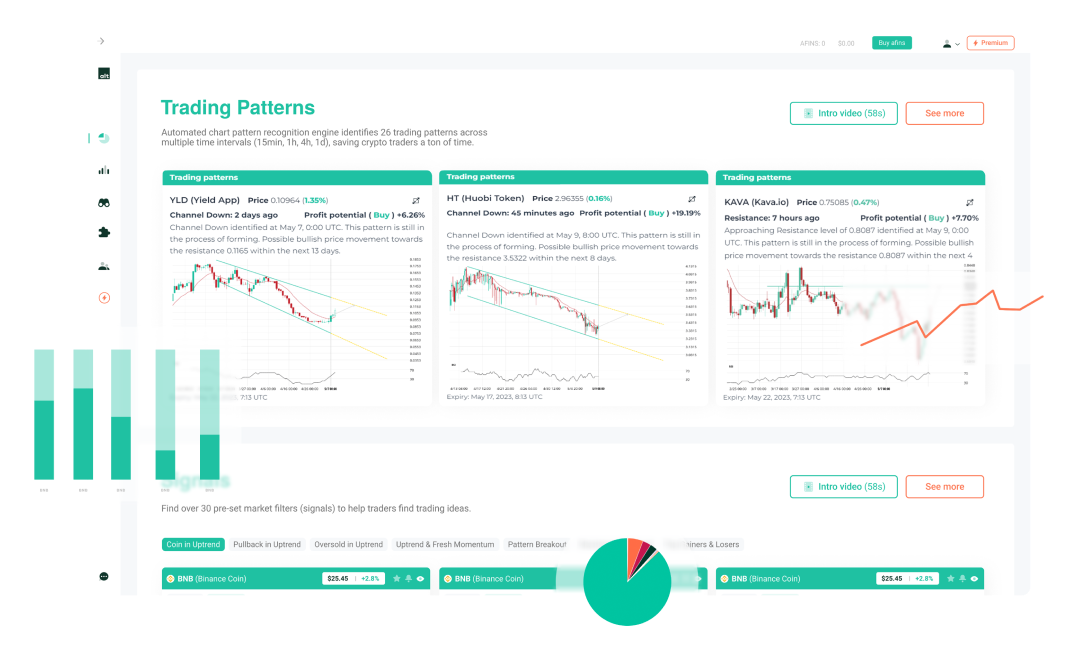
A secure wallet protects what you own — strong analysis helps you grow it. Screen 2,000+ coins, spot chart patterns, and act on data-driven signals with altFINS.
Disclaimer: This article is based on publicly available information as of August 2026, including reporting from Galaxy Research, Block’s Bitcoin engineering team, TechCrunch, CoinDesk, and manufacturer disclosures. Prices and specifications may change without notice. Nothing here is financial advice. Cryptocurrency involves risk — always verify firmware from official sources and read a manufacturer’s documentation before transferring funds.
Last updated: August 5, 2026.